Editable Canva Business Card #14: Your Modern Branding Toolkit
First impressions in business are often made on a 3.5″ x 2″ piece of cardstock. It’s a small space that carries the weight of your entire professional identity. That fleeting moment when you hand someone your card, or when they spot it on a desk, is a critical branding opportunity. A generic, off-the-shelf design can blend into the noise. A thoughtfully crafted, personalized card, however, does more than share contact details—it tells a story, establishes credibility, and makes you memorable. This is the power of starting with a strong, adaptable foundation like our Editable Canva Business Card #14.
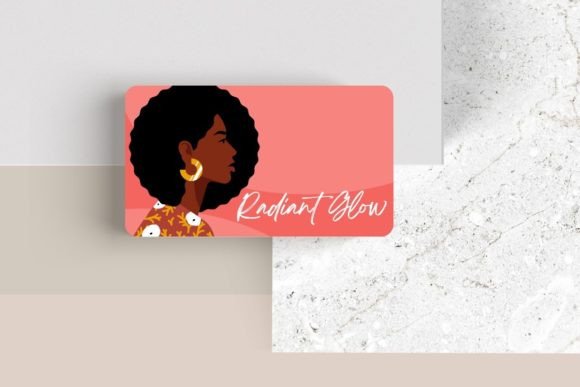
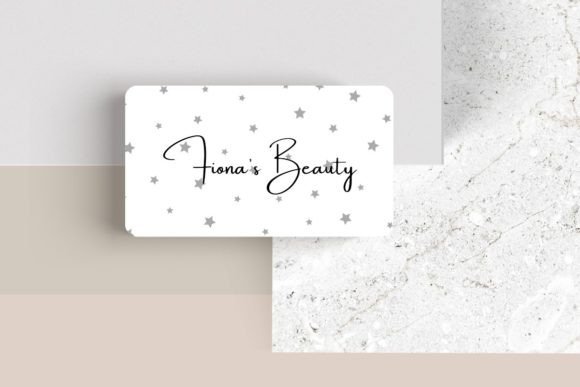
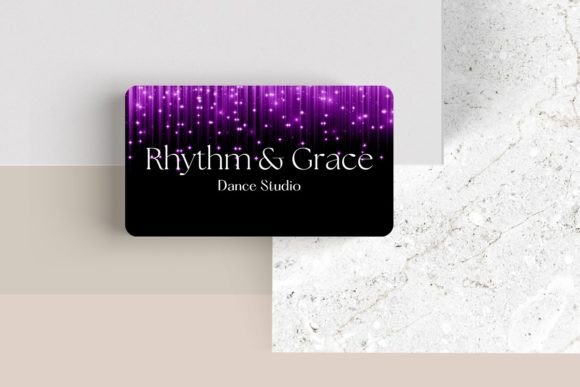
This particular template is built for the modern professional who values both sleek aesthetics and complete creative control. Its clean lines, balanced white space, and contemporary layout provide a sophisticated canvas. But its true strength lies in its flexibility. Unlike a static PDF, this is a living design file. You aren’t just filling in blanks; you’re an active participant in the design process. The template is a starting point, allowing you to adjust every font, shift every color, and reposition every element until the final product is a seamless extension of your brand’s unique personality.
More Than a Contact Card: A Foundation for Brand Cohesion
Think of your business card not as an isolated item, but as the cornerstone of your visual identity. The design choices you make here should echo across all your brand touchpoints. This is where a tool like Canva becomes invaluable. By customizing this template, you’re not just creating a card; you’re defining a style guide. The specific shade of blue you select, the elegant serif font you choose for your name, the modern sans-serif for your details—these decisions become the DNA for your logo design, your social media graphics, and your website.
This approach ensures visual consistency. When a client sees your business card, then visits your Instagram profile, and finally lands on your website, the experience should feel cohesive. The typography and color palette should be familiar, building brand recognition through repetition and refinement. The Editable Canva Business Card #14 template serves as the perfect laboratory to experiment with these core brand elements before you commit to them across all platforms.
Practical Customization: Tailoring the Template to Your Voice
Let’s get into the specifics of how to make this template your own. The customization options are designed to be intuitive, even for those without advanced graphic design software experience.
- Typography as Tone: The template allows you to change the font, font color, and size. This is your primary tool for setting the mood. A bold, geometric sans serif font projects confidence and modernity, ideal for a tech startup or a creative agency. A refined serif font communicates tradition, authority, and elegance, perfect for a lawyer, architect, or boutique retailer. Don't be afraid to test font pairings. Combine a striking display font for your name with a highly readable sans-serif for your contact information to create hierarchy and visual interest.
- Integrating Your Mark: The ability to add your logo is fundamental. Position it where it has the most impact—typically the front face. Ensure it’s a high-resolution file for crisp printing. This template’s clean layout ensures your logo won’t get lost in clutter.
- Spatial Composition: You can move elements around. Play with the layout. Should your name be centered or aligned to the left? Is there more visual weight on the top or the bottom? Small adjustments to spacing and alignment can dramatically alter the card’s feel, making it more dynamic or more serene.
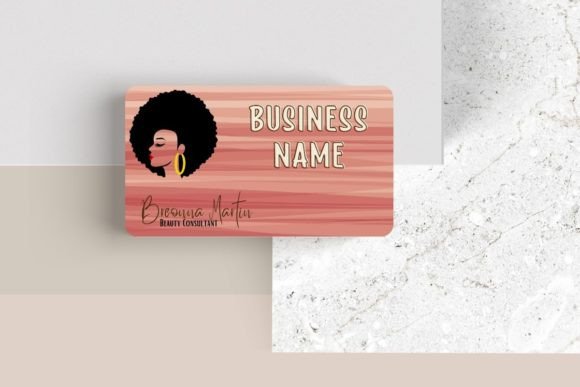
- Adding Personal Touches: The option to add additional elements like photos or logos opens up creative avenues. A photographer could use a subtle background texture or a small, iconic image. A consultant might include a professional headshot on the reverse side. A craft business could feature a tiny, hand-drawn illustration. These elements add depth and a personal narrative to your card.
Remember, the goal is professional presentation that feels authentic. Every choice should serve a purpose, whether it’s to enhance readability, reinforce a brand value, or simply delight the recipient with a small, thoughtful detail.
Expanding the Idea: From Card to Creative Ecosystem
The design principles you hone while perfecting your business card have a direct and practical application across a wide spectrum of projects. This isn't just about print materials. The same visual language you establish can fuel your entire creative output.
Consider these applications where your refined brand aesthetic can shine:
- Digital Presence: Use your chosen font pairing and color scheme for all social media graphics—from Instagram story templates to Facebook ads. Create cohesive web design elements, like headers and buttons, that mirror your card’s style. Develop digital products like e-books or online course materials with a consistent, professional look.
- Marketing Collateral: Design packaging design for your products that feels like a natural extension of your card. Create posters for events, invitations for workshops, or editorial layouts for a company blog or newsletter that all speak the same visual language.
- Brand Extensions: Apply your design system to merchandise—think branded notebooks, tote bags, or apparel. Develop marketing assets like email signatures, presentation decks, and invoice templates that all carry the same polished, recognizable identity.
By starting with a versatile asset like the Editable Canva Business Card #14, you’re not just buying a template; you’re investing in a design asset that can help streamline the creation of a whole suite of branded materials, ensuring everything you produce looks intentional and professional.
Choosing Your Tools: Fonts, Licensing, and Final Checks
As you dive into customization, a few practical considerations will ensure a smooth process and a professional result.
First, review the included font styles within the Canva template. Canva offers a vast library, but the template may suggest specific pairings that work well together. Understand the personality of a script font (elegant, personal) versus a handwritten font (casual, friendly) versus a modern typography staple. Choose a style that aligns with your industry and audience.
Second, always consider readability. A beautifully ornate display font might be perfect for a headline on a poster but could be illegible at the small size required for a business card phone number. Test your design at actual size. Print a draft on your home printer. Does the text hold up? Is there sufficient contrast between the font color and the background?
Finally, for any premium font you consider using outside of Canva’s default library, pay close attention to commercial licensing considerations. Most fonts included in Canva’s library are licensed for commercial use within the platform, but if you download a font from an external source to upload into Canva, you must ensure you have the proper license for the way you intend to use the final design, whether for print, digital, or merchandise.
Treating your business card as the launchpad for a cohesive brand identity