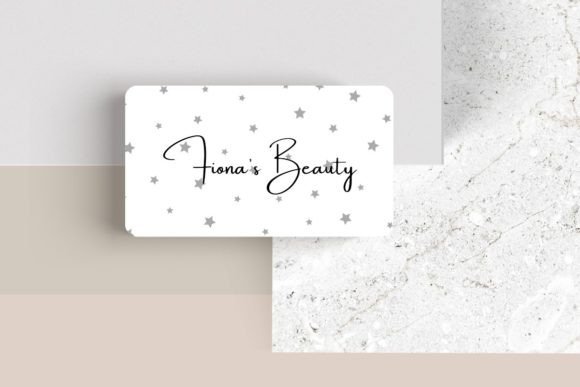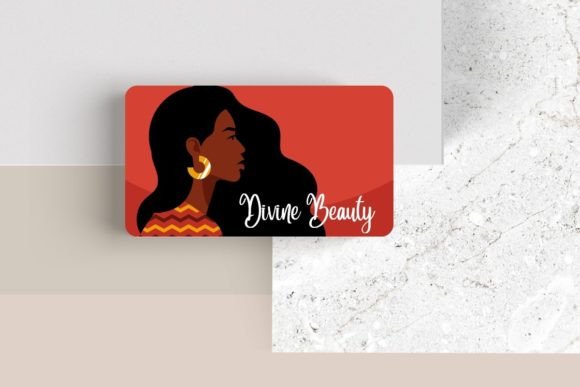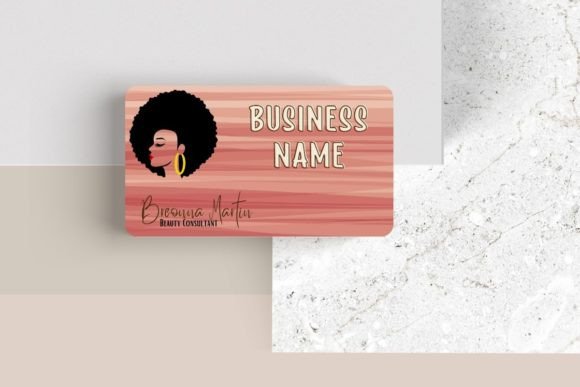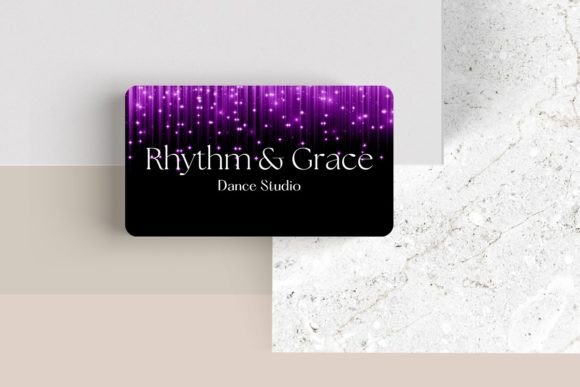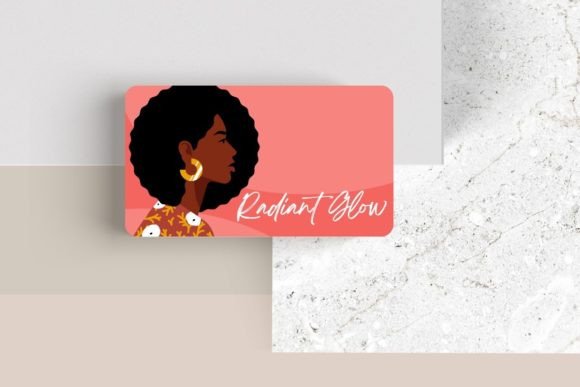
Editable Canva Business Card #57: A Modern Template for Your Brand
First impressions in business are often silent but incredibly powerful. Before you say a word, a visual cue has already communicated something about your professionalism, creativity, and attention to detail. For freelancers, entrepreneurs, and small business owners, few tools carry this weight as directly as a business card. It’s a tangible piece of your brand identity that someone can hold, refer back to, and remember you by. But creating a card that truly feels like you can be a challenge, especially without a graphic design background or a hefty budget. This is where a versatile, editable template changes the game.
Why a Template That Puts You in Control Matters
The Editable Canva Business Card #57 is built around a core idea: you are the best curator of your own brand. Instead of handing over a static, finished design, it provides a sleek, modern foundation that you can customize from the ground up. Think of it less as a pre-made product and more as a professional design toolkit. The template’s layout is intentionally clean and balanced, offering a contemporary aesthetic that works across industries—from creative consultants and app developers to boutique retailers and wellness coaches. Its visual appeal lies in its flexibility; the design acts as a neutral canvas, allowing your specific brand elements to take center stage without competing for attention.
The real power, however, is in the details you can adjust. You’re not just changing the text. You have direct access to modify the font, font color, and size to ensure your name and title align perfectly with your brand’s voice. Is your brand bold and authoritative? Choose a strong sans serif font. Is it elegant and personal? A refined script font might be your answer. This level of control extends to layout and imagery. You can move elements around to create a unique composition that guides the eye exactly where you want it. Most importantly, you can seamlessly add your logo and even incorporate additional elements like photos or logos, transforming a standard card into a miniature portfolio piece or a showcase for your signature product.
From Networking Event to Lasting Impression: Practical Applications
A well-designed business card does more than share contact information; it tells a story. With a template like this, the story you tell is entirely in your hands. Consider how it supports broader branding and marketing efforts. The visual consistency you establish on your card can be the starting point for your entire brand identity. The font pairing you select here can be carried over to your social media graphics, your website, and your packaging design, creating a cohesive look that builds brand recognition across every touchpoint.
This template isn’t just for traditional networking. Its customizable nature makes it a surprisingly versatile design asset. Here are a few ways professionals are putting it to work:
- For Product-Based Businesses: Use the card as a hang tag for merchandise or a thank-you card included in packaging, reinforcing your brand with every sale.
- For Creatives & Freelancers: Incorporate a striking image of your work directly onto the card, turning it into a mini editorial design piece or a leave-behind that showcases your skills in logo design or illustration.
- For Event Planners & Consultants: Adapt the template for invitations to exclusive events or workshops, maintaining a professional and polished look.
- For Digital-First Brands: Even in a digital world, a physical card can bridge the gap. Design a card that complements your digital products or online courses, giving clients something tangible to connect with.
The 3.5″ x 2″ format is the universal standard, ensuring your card fits into any wallet or cardholder, but the design inside can be anything but standard. It’s a practical tool for creating marketing assets that feel personal and intentional.
Making Smart Design Choices for Maximum Impact
Having access to customization is one thing; using it effectively is another. The goal is to create a card that is both beautiful and functional. Here’s some practical advice for working with an editable template like this one:
Start with Your Brand’s Core. Before you even open Canva, have your brand’s color palette, logo (in high-resolution PNG format), and preferred typeface ready. This ensures consistency from the start. If you don’t have a formal brand guide, think about the mood you want to convey: is it friendly and approachable, or sleek and corporate? Let that guide your font and color choices.
Prioritize Readability Above All. While a decorative script font or a unique display font can add personality, it should never compromise clarity. Your name and contact information need to be legible at a glance. A common and effective strategy is to use a font pairing: a more distinctive font for your name or logo, paired with a clean, simple sans serif font for your details. This creates visual hierarchy and ensures essential information is easy to read.
Embrace White Space. A crowded card can feel chaotic and cheap. The template’s modern design likely uses white space (or negative space) effectively. Resist the urge to fill every corner. White space gives your elements room to breathe, making the card look more elegant and professional. It helps direct attention to the most important details—your name and how to contact you.
Test Before You Print. Always do a test print on regular paper before ordering a bulk print run. What looks sharp on a high-resolution screen might feel too small or too dense in hand. Check the font size from a normal reading distance. Ensure your logo is crisp and the colors print accurately. This simple step can save you from costly reprints and disappointment.
Beyond the Card: Building a Cohesive Visual Language
Think of the Editable Canva Business Card #57 not as an isolated project, but as the cornerstone of a larger visual system. The choices you make here—the modern typography, the color scheme, the layout style—can and should inform other parts of your business. This is where you move from having a nice-looking card to building a genuine brand identity.
For instance, the font combination you settle on for your card becomes a natural candidate for your blog headings or your poster designs. The color palette can be applied to your social media templates, creating a recognizable feed. If you’re selling digital products like e-books or printables, incorporating the same typographic style ensures that every piece of content feels connected, professional, and uniquely yours. This consistency is what builds trust and makes your brand memorable in a crowded marketplace.
Ultimately, a tool like this template is about empowerment. It gives you, the business owner, the creative entrepreneur, the freelancer, direct access to professional-grade design principles without the complexity or cost. It’s a practical solution for anyone who understands that in business, how you present yourself visually is a direct reflection of the care and quality you put into your work. By taking control of these details, you’re not just printing a business card—you’re crafting an experience, one thoughtful design choice at a time.